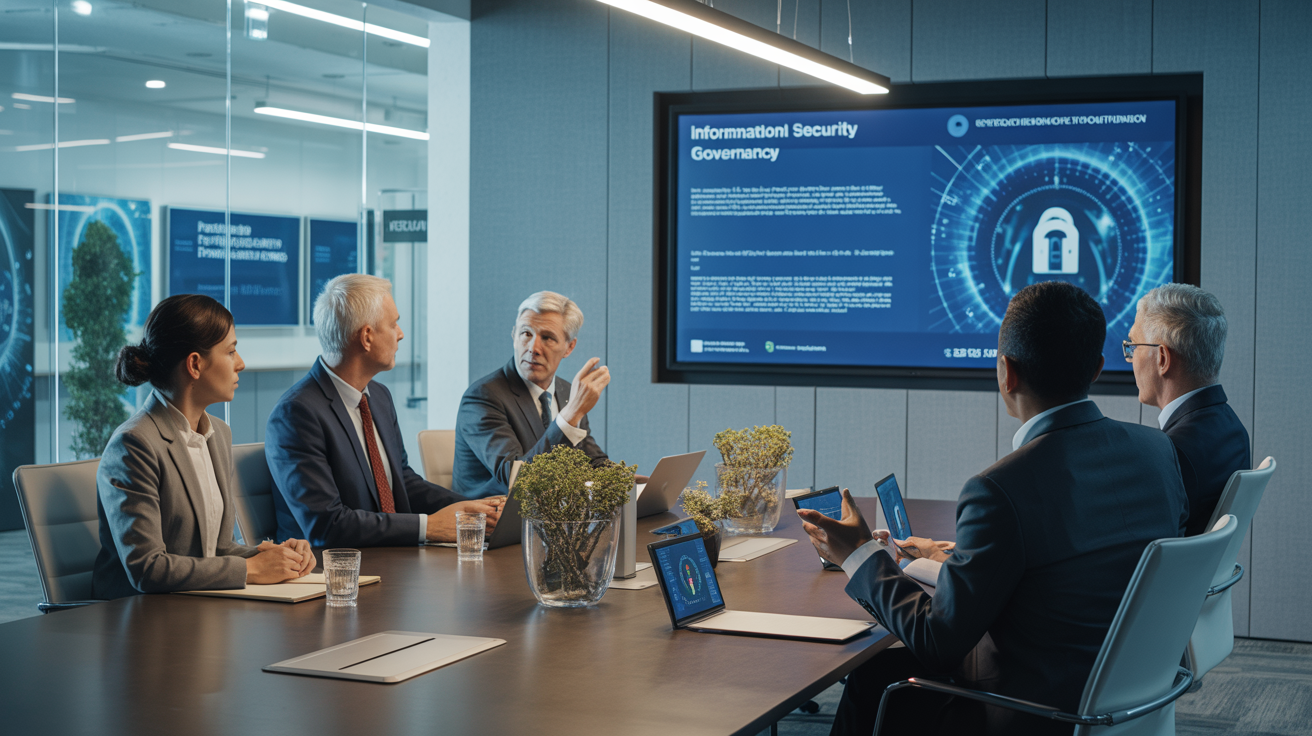
In today’s digital landscape, where data breaches and cyber threats are rampant, organizations must prioritize information security governance (ISG). This framework not only protects sensitive information but also aligns security strategies with business objectives, ensuring comprehensive risk management. This article delves into the essential components of ISG and outlines best practices for organizations striving to fortify their information security posture.
I. Understanding Information Security Governance
Definition of Information Security Governance
Information Security Governance (ISG) refers to the framework and processes by which organizations manage their information security risks and ensure the protection of their information assets. It is a crucial component of overall corporate governance that aligns security initiatives with business objectives, ensuring that security practices support organizational goals while managing risks effectively.
Historical Context
Historically, information security was often seen as a technical issue, primarily focused on implementing firewalls and antivirus software. However, as cyber threats evolved and became more sophisticated, the need for a structured governance approach became apparent. Over the years, organizations have shifted from a reactive to a proactive stance on information security, integrating governance into strategic planning.
Relevance in Today’s Digital Environment
The increasing frequency of cyber threats, coupled with stringent regulatory demands, has made ISG more relevant than ever. Organizations are not only required to protect their data but also to demonstrate compliance with various laws and regulations, such as and . In this context, effective ISG helps organizations mitigate risks and navigate the complex regulatory landscape.
II. Core Components of Information Security Governance
A. Strategic Alignment
Aligning security strategies with business objectives is fundamental to effective ISG. This alignment ensures that security measures support organizational goals, ultimately enhancing overall business performance.
- Case Study: A leading financial institution integrated its security strategy with its business objectives by involving key stakeholders in the decision-making process. This led to a 30% reduction in security incidents and increased stakeholder trust.
B. Risk Management
Risk management involves identifying, assessing, and managing security risks to information assets. Organizations should adopt tools and methodologies that facilitate effective risk management, such as:
- Risk Assessment Frameworks: Implement frameworks like FAIR (Factor Analysis of Information Risk) to quantify risks.
- Continuous Monitoring: Use automated tools to continuously monitor for vulnerabilities and threats.
C. Resource Management
Allocating human, financial, and technological resources for security initiatives is crucial. Organizations must invest in:
- Training Programs: Regular training and awareness programs for employees to foster a security-conscious culture.
- Budgeting for Security: Ensuring adequate financial resources are allocated for security tools and personnel.
D. Performance Measurement
Evaluating the effectiveness of security programs and policies is critical for continuous improvement. Key performance indicators (KPIs) may include:
- Incident Response Time: The average time taken to respond to security incidents.
- User Awareness Scores: Metrics derived from employee training assessments.
E. Compliance
Adhering to relevant laws and regulations is a fundamental aspect of ISG. Organizations must understand the consequences of non-compliance, which can include hefty fines and damage to reputation. Effective strategies for adherence include:
- Regular Audits: Conducting routine audits to ensure compliance with applicable regulations.
- Documentation: Maintaining comprehensive documentation of policies and procedures.

III. Frameworks and Standards for Information Security Governance
A. ISO/IEC 27001
ISO/IEC 27001 is an internationally recognized standard that provides a framework for establishing, implementing, maintaining, and continually improving an information security management system (ISMS). Its significance in ISG lies in its comprehensive approach to managing sensitive company information, thereby enhancing trust and credibility.
B. NIST Cybersecurity Framework
The NIST Cybersecurity Framework consists of standards, guidelines, and practices to help organizations manage cybersecurity risks. It supports ISG by providing a structured approach to identifying, protecting, detecting, responding to, and recovering from cybersecurity incidents.
C. COBIT (Control Objectives for Information and Related Technologies)
COBIT integrates governance and management of information security. It provides a comprehensive framework that helps organizations ensure their IT governance is aligned with their business objectives.
D. Other Relevant Frameworks
Several other frameworks can support ISG, including:
- ITIL (Information Technology Infrastructure Library): Focuses on aligning IT services with business needs.
- PCI-DSS (Payment Card Industry Data Security Standard): Provides security standards for organizations that handle credit cards.
IV. Best Practices for Implementing Information Security Governance
A. Developing a Governance Framework
Creating a robust ISG framework tailored to the organization’s needs involves several steps:
- Define Objectives: Determine what the organization aims to achieve with ISG.
- Engage Stakeholders: Involve key stakeholders from across the organization.
- Establish Policies: Develop policies that align with business goals and regulatory requirements.
B. Engaging Stakeholders
The involvement of senior management and stakeholders in governance is crucial for success. Engaging stakeholders ensures that security initiatives receive the necessary support and resources.
C. Continuous Monitoring and Improvement
Establishing strategies for ongoing assessment and enhancement of security measures is vital. Organizations should:
- Conduct Regular Reviews: Schedule periodic reviews of security policies and practices.
- Implement Feedback Loops: Create mechanisms for collecting feedback from employees and stakeholders.
D. Fostering a Security Culture
Creating awareness and accountability throughout the organization is essential for effective ISG. Organizations can foster a security culture by:
- Promoting Open Communication: Encourage discussions about security across all levels.
- Recognizing Good Practices: Acknowledge and reward employees who demonstrate security-conscious behavior.
V. Challenges in Information Security Governance
A. Evolving Threat Landscape
The dynamic nature of cyber threats requires adaptive governance. Organizations must stay informed about emerging threats and adjust their strategies accordingly.
B. Resource Constraints
Many organizations face limitations in terms of budget and personnel, making it challenging to implement comprehensive ISG. Prioritizing critical security initiatives and leveraging automation can help alleviate some of these constraints.
C. Compliance Complexities
Navigating the myriad of regulations and standards can be overwhelming. Organizations should consider employing compliance management tools to streamline the process.
D. Resistance to Change
Addressing organizational culture and resistance when implementing new governance policies is crucial. Engaging employees early in the process and providing adequate training can help mitigate resistance.
VI. Future Trends in Information Security Governance
A. Integration of AI and Machine Learning
The integration of advanced technologies such as AI and machine learning will play a significant role in enhancing ISG. These technologies can help organizations automate threat detection and response, improving overall security posture.
B. Shift Towards Zero Trust Architecture
The shift towards Zero Trust Architecture implies that organizations must verify every request as though it originates from an open network. This has profound implications for ISG, necessitating strict authentication and access controls.
C. Increasing Focus on Data Privacy
With the growing importance of privacy regulations, organizations must ensure that their ISG frameworks incorporate data protection measures, aligning with global standards and best practices.
D. Remote Work and Security Challenges
The shift to remote work environments has introduced new governance issues. Organizations must adapt their security policies to address the unique challenges posed by remote work, such as securing access to corporate resources from home networks.
Conclusion/Call-to-Action
In conclusion, robust information security governance is not merely a checkbox but a strategic imperative that can safeguard an organization’s most valuable assets. By adopting comprehensive ISG frameworks, aligning security initiatives with business goals, and fostering a culture of security, organizations can effectively mitigate risks and navigate the evolving cybersecurity landscape. It’s time for executives and stakeholders to prioritize information security governance as a central pillar of their business strategy.
Key Takeaways
- Strategic Alignment: Align security strategies with business objectives to enhance overall performance.
- Risk Management: Adopt effective tools and methodologies for risk assessment and management.
- Resource Management: Allocate adequate resources for security initiatives and employee training.
- Continuous Improvement: Establish KPIs and feedback mechanisms for ongoing assessment of security practices.
- Stay Informed: Adapt to the evolving threat landscape and compliance regulations.
By understanding and implementing effective information security governance practices, organizations can not only protect their information assets but also foster a resilient and secure business environment.


