Introduction
In today’s digital landscape, cybersecurity has become a critical concern for organizations of all sizes and sectors. With increasing threats and sophisticated cyberattacks, businesses must adopt robust frameworks to safeguard their information and systems. The NIST Cybersecurity Framework (CSF) serves as a vital tool, offering a structured approach to managing cybersecurity risks and ensuring compliance with regulations. This article aims to provide a detailed overview of the CSF, its core components, implementation strategies, and the benefits it brings to organizations seeking compliance and effective risk management.Understanding the NIST Cybersecurity Framework
What is the NIST Cybersecurity Framework?
The NIST Cybersecurity Framework (CSF) was developed by the National Institute of Standards and Technology (NIST) in collaboration with industry stakeholders. Released in 2014 as a response to Executive Order 13636, the framework aims to provide organizations with a flexible and cost-effective approach to managing cybersecurity risks.- Purpose and Goals: The CSF helps organizations identify, assess, and manage their cybersecurity risks while enhancing their resilience against cyber threats.
- Historical Context: The framework emerged from the need to address the increasing frequency and severity of cyber incidents that threaten national security and economic interests.
- Asset Management: Cataloging all data, personnel, devices, and systems.
- Risk Assessment: Evaluating risks to assets and identifying vulnerabilities.
- Governance: Establishing policies and procedures to manage and mitigate risks.
- Cybersecurity asset management tools like ServiceNow and Qualys.
- Risk assessment frameworks such as FAIR (Factor Analysis of Information Risk).
- Access Control: Implementing user authentication and authorization.
- Awareness Training: Educating employees on cybersecurity best practices.
- Data Security Measures: Encrypting sensitive data and implementing firewalls.
- Regularly update and patch software to protect against vulnerabilities.
- Conduct phishing simulations to enhance employee awareness.
- Monitoring: Using tools to continuously scan for anomalies.
- Event Analysis: Establishing methods to analyze alerts for potential threats.
- SIEM (Security Information and Event Management) solutions like Splunk and IBM QRadar.
- Anomaly detection systems utilizing machine learning.
- Incident Response Planning: Developing a response plan that outlines roles and responsibilities.
- Communication: Ensuring clear communication within the organization and with external stakeholders.
- Conduct regular tabletop exercises to test and refine incident response plans.
- Establish a communication protocol to inform stakeholders during an incident.
- Recovery Planning: Developing plans for restoring systems and data.
- Post-Incident Improvement: Conducting reviews to identify lessons learned and improve future resilience.
- Regularly back up data and systems to ensure quick recovery.
- Update recovery plans based on findings from incident reviews.
- Key Performance Indicators (KPIs): Track metrics such as incident response times and compliance rates.
- Regular Assessments: Conduct audits to evaluate the effectiveness of the implemented controls.
- Adjusting Strategies: Use metrics to refine cybersecurity strategies in response to evolving threats.
- Resistance to Change: Employees may be hesitant to alter existing processes.
- Resource Constraints: Limited budgets and personnel can hinder implementation efforts.
- Lack of Training: Insufficient expertise in cybersecurity can lead to ineffective application of the framework.
- Foster a Cybersecurity Culture: Promote awareness and engagement through training and communication.
- Invest in Training Programs: Provide ongoing education to build expertise among staff.
- Utilize External Resources: Leverage third-party tools and consultants to aid in implementation.
- The NIST CSF offers a structured approach to managing cybersecurity risks.
- Its five core functions—Identify, Protect, Detect, Respond, and Recover—provide a comprehensive framework for organizations.
- Successful implementation requires executive support, cross-departmental collaboration, and regular assessments.
The Structure of the Framework
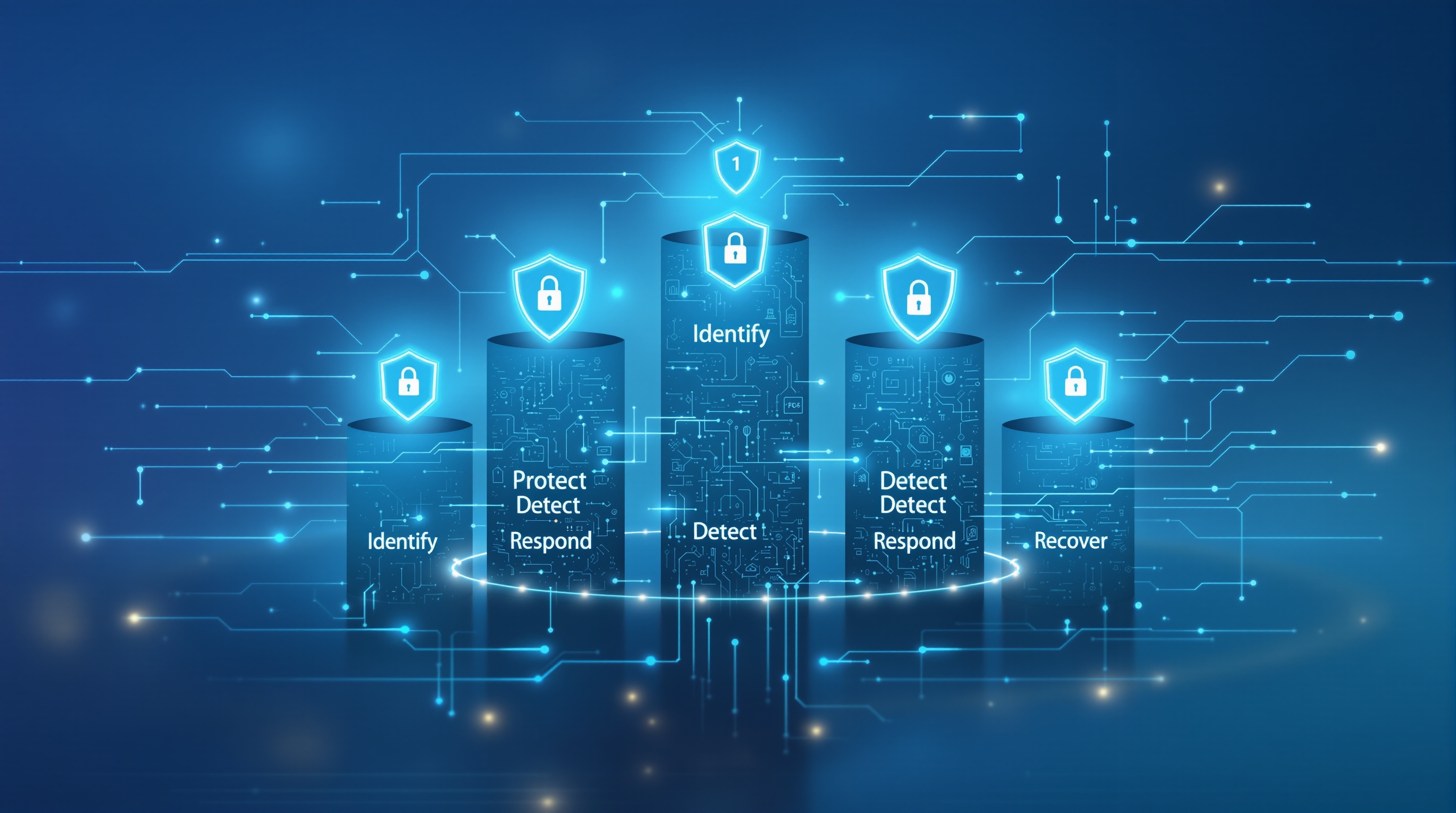
The NIST CSF is structured around five core functions:1. Identify 2. Protect 3. Detect 4. Respond 5. Recover
Additionally, the framework includes implementation tiers that help organizations assess their cybersecurity maturity and profiles that allow for customized application based on specific risks and business needs. This structure promotes flexibility and scalability, enabling organizations to adapt the framework to their unique environments.
The Five Core Functions of the NIST CSF
Identify
The Identify function focuses on understanding the organization’s environment to manage cybersecurity risks effectively. Key activities include:Tools & Techniques:
Protect
The Protect function encompasses strategies to safeguard critical services. Key strategies include:Best Practices:
Detect
The Detect function emphasizes the importance of continuous monitoring to identify cybersecurity events. Key activities include:Automated Detection Tools:
Respond
The Respond function outlines steps to take when a cybersecurity incident is detected. Key components include:Response Strategy:
Recover
The Recover function focuses on restoring normal operations after a cybersecurity incident. Key strategies include:Best Practices:
Implementing the NIST Cybersecurity Framework
Steps for Implementation
To effectively adopt the NIST CSF, organizations should follow these steps:1. Establish Executive Buy-In: Secure commitment from leadership for necessary resources and support. 2. Cross-Departmental Collaboration: Involve various departments for a comprehensive approach to cybersecurity. 3. Develop a Timeline: Create a realistic timeline for implementing the framework based on organizational readiness and resources.
Measuring Success
Success in implementing the CSF can be measured through:Benefits of Using the NIST Cybersecurity Framework
Compliance and Regulation
The CSF aligns well with other compliance frameworks such as and , providing organizations with a structured path to meet regulatory requirements. Demonstrating compliance can enhance trust with stakeholders and customers.Risk Management
By adopting a structured approach to risk management, organizations can proactively identify and mitigate cybersecurity threats. Real-world examples demonstrate how companies have reduced their risk exposure through effective implementation of the CSF.Cost-Effectiveness
Investing in the NIST CSF can lead to significant cost savings. Organizations often find that the proactive measures reduce the costs associated with data breaches and non-compliance penalties.Challenges in Adopting the NIST Cybersecurity Framework
Common Obstacles
Organizations may face several challenges when adopting the CSF, including:Overcoming Challenges
To overcome these obstacles, organizations can:Conclusion
The NIST Cybersecurity Framework is an essential tool for organizations aiming to enhance their cybersecurity posture and achieve compliance. By understanding and implementing the framework, businesses can better manage risks and protect their critical assets. We encourage organizations to take proactive steps toward adopting the CSF and to explore the resources available through NIST and other cybersecurity training programs.Key Takeaways
For further information, visit the NIST Cybersecurity Framework official website for documentation and resources to aid in your implementation journey.


