Hook/Introduction
In today's rapidly evolving digital landscape, cyber threats are increasing in both frequency and sophistication. Organizations face a relentless barrage of attacks, making proactive cybersecurity measures not just a necessity, but a critical component of business continuity. One of the most effective ways to safeguard organizational assets is through a robust Vulnerability Management program.Vulnerability Management is essential for identifying and mitigating weaknesses before they can be exploited by malicious actors. This case study delves into a real-world example of effective vulnerability management, analyzing its framework and the lessons learned along the way.
1. Understanding Vulnerability Management
1.1 Definition and Importance
Vulnerability Management is a systematic process for identifying, classifying, remediating, and mitigating vulnerabilities in software and hardware systems. Its importance cannot be overstated:- Risk Reduction: Minimizes the potential for exploitation by threat actors.
- Regulatory Compliance: Helps organizations meet industry regulations and standards.
- Business Continuity: Protects critical assets and ensures uninterrupted operations.
- Business Impact: Potential financial losses and reputational damage.
- Exploitability: Ease of exploitation by attackers.
- Compliance Requirements: Adherence to regulatory standards.
- Patching: Regularly applying updates to software and systems.
- Configuration Changes: Adjusting settings to enhance security.
- Collaboration: Fostered communication between IT and development teams to streamline the remediation process.
- Network Segmentation: Isolating vulnerable systems from critical networks.
- Enhanced Monitoring: Deploying intrusion detection systems to identify suspicious activity.
- Regular Audits: Conduct frequent audits to identify new vulnerabilities.
- Cross-Department Collaboration: Encourage communication between security, IT, and development teams.
- Training and Awareness: Regular training for staff on security best practices enhances overall security posture.
- Reduction in Incidents: A 75% decrease in security incidents within the first year.
- Improved Response Time: The average time to remediate vulnerabilities decreased from 30 days to 7 days.
- Compliance Levels: Achieved compliance with data protection regulations, avoiding potential fines.
- Conduct a comprehensive asset inventory.
- Implement a structured vulnerability assessment process.
- Foster interdepartmental collaboration.
- Invest in continuous monitoring tools.
- Vulnerability Management
- Cybersecurity
- Risk Management
- Vulnerability Assessment
- Incident Response
- Threat Intelligence
- Cyber Resilience
- Continuous Monitoring
- Patching Strategies
- Security Posture
Poor vulnerability management can lead to severe implications, including data breaches, financial losses, and reputational damage.
1.2 The Vulnerability Management Lifecycle
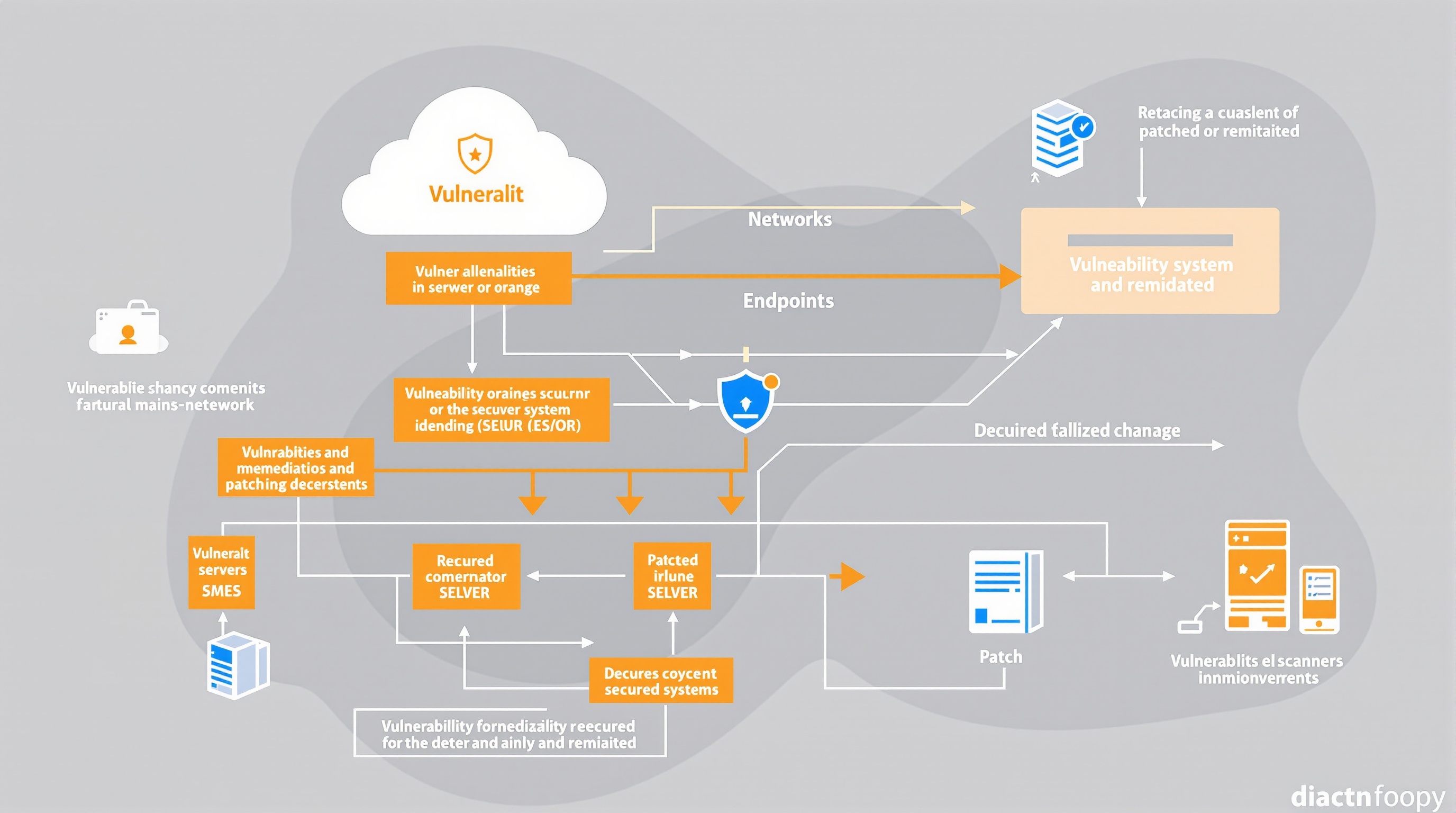
The vulnerability management lifecycle consists of several key phases:1. Discovery: Identify assets and associated vulnerabilities. 2. Assessment: Evaluate the severity of vulnerabilities. 3. Prioritization: Rank vulnerabilities based on risk. 4. Remediation: Implement fixes for identified vulnerabilities. 5. Continuous Monitoring: Regularly assess and adapt the strategy.
This cyclical approach ensures ongoing security and resilience against emerging threats.
2. Case Study Overview: TechCorp
2.1 Background Information
TechCorp, a mid-sized software development company, specializes in cloud-based solutions. Prior to implementing a vulnerability management program, TechCorp relied on ad-hoc security measures, leaving their systems exposed to potential threats.2.2 Initial Challenges
TechCorp faced several vulnerabilities, including outdated software and misconfigured systems. A significant incident involving a ransomware attack highlighted the urgent need for a structured vulnerability management approach. Additionally, the organization faced increasing regulatory scrutiny related to data protection laws.3. Implementation of Vulnerability Management
3.1 Discovery Phase
TechCorp utilized automated scanning tools, such as Nessus and Qualys, alongside manual reviews, to conduct a thorough inventory of assets. This resulted in identifying over 200 vulnerabilities across their infrastructure.3.2 Assessment Phase
The severity of vulnerabilities was evaluated using the Common Vulnerability Scoring System (CVSS) scores, supplemented by threat intelligence feeds. For example, TechCorp identified a critical vulnerability in their web application framework (CVSS 9.8) that could allow remote code execution.3.3 Prioritization Strategy
Vulnerabilities were prioritized based on:This structured approach ensured that the most critical vulnerabilities were addressed first.
4. Remediation and Mitigation Strategies
4.1 Remediation Approaches
TechCorp implemented various remediation steps, including:4.2 Mitigation Techniques
In cases where immediate remediation was not feasible, TechCorp employed mitigation strategies such as:A layered security approach proved vital in managing vulnerabilities effectively.
5. Continuous Monitoring and Improvement
5.1 Ongoing Monitoring Processes
TechCorp established a continuous vulnerability scanning schedule using automated tools, along with regular manual assessments. Threat intelligence was integrated to refine their vulnerability management strategy based on emerging threats.5.2 Lessons Learned and Best Practices
Key takeaways from TechCorp's implementation include:6. Results and Impact
6.1 Quantifiable Outcomes
Following the implementation of the vulnerability management program, TechCorp observed:6.2 Enhanced Cyber Resilience
Effective vulnerability management significantly contributed to TechCorp's overall security posture. Stakeholder confidence increased, resulting in new business opportunities, and the organization established a reputation as a security-conscious provider.Conclusion/Call-to-Action
This case study demonstrates the critical importance of vulnerability management in achieving cyber resilience. Organizations must evaluate their own vulnerability management strategies, leveraging the insights shared herein.To enhance your vulnerability management program:
By taking these actionable steps, organizations can better protect their assets and ensure a more secure future.
---


