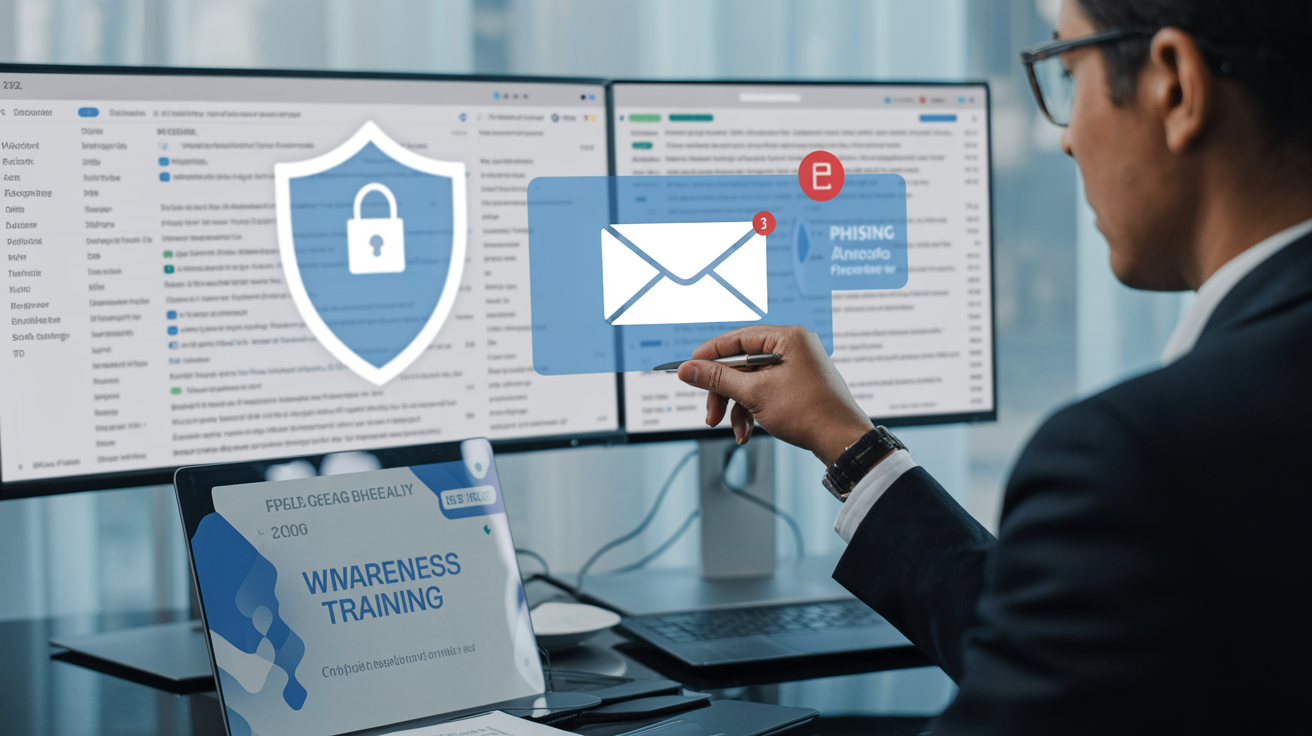
Hook/Introduction
In today's increasingly interconnected world, phishing attacks have skyrocketed, posing a significant threat to individuals and organizations alike. These deceptive tactics exploit human psychology to extract sensitive information, leading to dire consequences such as data breaches, financial losses, and reputational damage.
Statistics & Impact
- Phishing attacks have surged by 400% since the onset of the COVID-19 pandemic (source: APWG).
- Over 90% of data breaches involve phishing (source: Verizon).
- Organizations face an average cost of $3.86 million per data breach (source: IBM).
- Email Phishing: The most prevalent form, where attackers send fraudulent emails that appear legitimate.
- Spear Phishing: Targeted attacks directed at specific individuals, often utilizing personal information to enhance credibility.
- Whaling: High-level spear phishing aimed at executives or high-profile targets, often involving sensitive corporate data.
- Smishing: Phishing conducted through SMS, where attackers send deceptive text messages.
- Vishing: Voice phishing where attackers use phone calls to extract sensitive information.
- Financial Gain: Direct theft of money or credentials.
- Data Theft: Acquisition of sensitive data for identity fraud or resale.
- Espionage: Stealing corporate secrets or sensitive information.
- Email: The primary vector for phishing attacks.
- Social Media: Deceptive messages via platforms like Facebook or LinkedIn.
- SMS: Text messages that mimic legitimate sources.
- Data Breaches: Unauthorized access to sensitive information.
- Financial Loss: Immediate monetary theft or long-term financial implications.
- Reputational Damage: Loss of customer trust and potential legal repercussions.
- Recognizing phishing attempts.
- Best practices for cybersecurity.
- Generic greetings (e.g., "Dear Customer").
- Urgent language requesting immediate action.
- Suspicious links or email addresses.
Purpose of the Whitepaper
This whitepaper aims to provide a comprehensive guide to phishing prevention through education, technology, and policy. By understanding phishing, its consequences, and the multi-faceted strategies to combat it, organizations can better safeguard their digital assets.Section 1: Understanding Phishing
1.1 Definition of Phishing
Phishing is a cyber threat where attackers impersonate a trustworthy entity to deceive individuals into providing sensitive information, such as usernames, passwords, and credit card details.1.2 Types of Phishing Attacks
1.3 Motivations Behind Phishing Attacks
Phishing attacks are typically motivated by:Section 2: The Phishing Attack Lifecycle
2.1 Reconnaissance
Attackers gather information about potential targets using social media, company websites, and other public resources to craft believable messages.2.2 Delivery Methods
Common delivery methods include:2.3 Exploitation
Once a target interacts with a phishing attempt, they may be directed to malicious websites or prompted to provide sensitive information, leading to unauthorized access or data compromise.2.4 Outcomes of Successful Phishing Attacks
Section 3: The Importance of User Education
3.1 Training Programs
Regular awareness training for employees is crucial. Effective programs should cover:3.2 Recognizing Phishing Attempts
Key indicators of phishing emails and messages include:3.3 Reporting Mechanisms
Implementing clear channels for reporting phishing attempts can help organizations respond quickly and efficiently to threats.Section 4: Technological Defenses
4.1 Email Filtering Solutions
Utilizing spam filters and machine learning-based solutions can significantly reduce the volume of phishing emails reaching users’ inboxes.4.2 Multi-Factor Authentication (MFA)
MFA adds an extra layer of security, requiring users to verify their identity through multiple methods, making it harder for attackers to gain access.4.3 Anti-Phishing Software
Investing in anti-phishing software can help detect and block phishing attempts before they reach the end users.4.4 Secure Email Gateways
Secure email gateways analyze inbound traffic for phishing characteristics and can quarantine suspicious emails before they reach the recipient.Section 5: Developing Robust Organizational Policies
5.1 Creating a Phishing Response Plan
Organizations should develop a clear plan detailing steps to take upon identifying a phishing attempt, including communication protocols and incident response actions.5.2 Regular Policy Reviews and Updates
Regularly updating policies ensures they stay relevant and effective against evolving phishing tactics.5.3 Collaboration with IT and Security Teams
Fostering open lines of communication between departments enhances the organization’s ability to prevent and respond to phishing threats.Section 6: Adopting Best Practices for Phishing Prevention
6.1 Personal Responsibility
Individuals must take proactive steps to remain vigilant, such as verifying sources before clicking on links or providing information.6.2 Regular Software Updates
Keeping systems and software updated helps patch vulnerabilities that phishing attacks may exploit.6.3 Data Encryption
Encrypting sensitive data can mitigate the impact of phishing attacks by protecting information even if it is compromised.Section 7: Regulatory Standards and Compliance
7.1 NIST Cybersecurity Framework
Organizations can utilize the NIST Cybersecurity Framework to manage and reduce phishing risks through comprehensive guidelines.7.2 and Data Protection
Understanding the implications of helps organizations ensure compliance and protect sensitive data from phishing-related breaches.7.3 Industry-Specific Regulations
Familiarizing with industry-specific regulations can guide organizations in implementing necessary phishing prevention measures.Conclusion/Call-to-Action
Summary of Key Points
Phishing prevention requires a multi-faceted approach, including user education, technological defenses, and robust organizational policies.Actionable Steps
Organizations should implement comprehensive training programs, invest in technological solutions, and establish clear policies to combat phishing threats effectively.Call-to-Action
For further resources and insights on phishing prevention, we invite you to download our additional materials or sign up for our upcoming webinars.---
By adopting these strategies, organizations can bolster their defenses against phishing attacks, ensuring a safer digital landscape for everyone.


